Source recyclable cosmetic face wash tube for Lotion, Medicine, Food
Compare 30 listings for the recyclable cosmetic face wash tube from verified Chinese manufacturers. Buyers can evaluate options for lotion, medicine, and food packaging with capacities ranging from 3ml to 400ml and lead times of 25 to 40 days; compare the available evidence and request quotations based on your requirements.
Key considerations
Products List


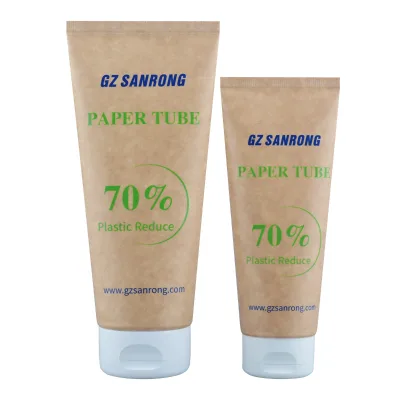
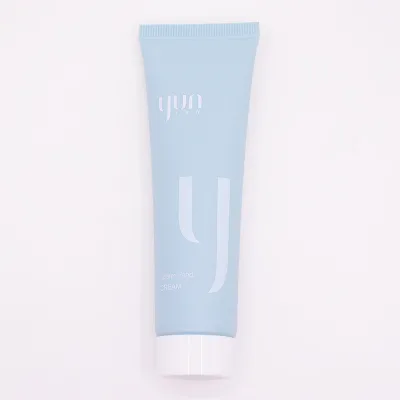


Comprehensive Sourcing Guide
Recyclable Cosmetic Face Wash Tube Sourcing Guide
Sourcing recyclable cosmetic face wash tubes requires a strategic balance between sustainability goals and functional packaging integrity. Buyers must navigate a market where "recyclable" claims vary significantly by region and material composition. The primary challenge lies in verifying whether the tube is mono-material, such as single-layer polyethylene, which is widely accepted in curbside recycling programs, or if it contains complex laminates that hinder recycling processes. Procurement teams should prioritize suppliers who provide clear documentation on the recyclability status of their specific tube structures, ensuring alignment with local waste management infrastructure.
Beyond material composition, the aesthetic and functional demands of face wash products necessitate careful selection of surface treatments and closure mechanisms. Hot stamping and offset printing are common decorative techniques that can impact the recyclability of the final package if inks or foils are not easily separable. Additionally, the choice between screw caps and other closure types affects both user experience and the disassembly process required for recycling. Buyers must evaluate how these design elements interact with the core material to ensure the entire package, including the cap and liner, meets sustainability targets without compromising product protection or shelf appeal.
Product Scope and Observed Listing Signals
The current market landscape for cosmetic tubes reveals a diverse range of specifications tailored to various product viscosities and branding needs. Observed listings indicate a strong presence of round tube designs, with standard diameters often centered around 40mm, though ranges extending from 13mm to 60mm are available to accommodate different volume requirements. These tubes are frequently marketed for use with lotions, foundations, and body washes, highlighting their versatility in the personal care sector. The availability of customization options, including OEM and ODM services, allows brands to tailor the packaging to their specific identity while leveraging established manufacturing capabilities.
Price points and minimum order quantities (MOQs) observed in the market suggest a tiered structure based on volume and customization complexity. Listings often show unit costs in the lower decimal range, with MOQs typically starting at 5,000 pieces, reflecting the economies of scale inherent in tube manufacturing. Lead times generally span 25 to 40 days, depending on the complexity of the printing and assembly processes. Buyers should note that while some suppliers offer free samples, the sampling time can range from 7 to 10 working days, which must be factored into the overall product development timeline. Understanding these commercial signals helps in budgeting and scheduling production runs effectively.
Technical Specifications to Verify
When evaluating technical specifications, the material composition is the most critical factor to verify for recyclability claims. Buyers should confirm whether the tube is constructed from mono-material polyethylene or a multi-layer laminate, as this distinction directly impacts end-of-life processing. The diameter and length dimensions must align with the product's volume requirements, with common standards including 40mm diameters and capacities ranging from 3ml to 400ml. It is essential to verify that the chosen dimensions do not compromise the structural integrity of the tube during filling, sealing, and transportation, especially for viscous products like face wash.
Surface treatment and printing methods also require close scrutiny to ensure they meet both aesthetic and functional standards. Techniques such as hot stamping, offset printing, and silk screen printing are commonly used, but buyers must assess how these processes affect the recyclability of the material. For instance, certain inks or foils may need to be removed during the recycling process, adding complexity. Additionally, the closure type, typically a screw cap, should be checked for compatibility with the tube neck and its own recyclability status. Verifying these technical details ensures that the packaging performs well in the market while adhering to sustainability commitments.
Compliance and Safety Documentation
Compliance with international standards is non-negotiable for cosmetic packaging, particularly when making recyclability claims. Buyers must request documentation verifying that the tubes meet relevant ISO certifications, which often indicate adherence to quality management systems. In some cases, additional certifications such as CE or FSC may be relevant, depending on the specific materials and manufacturing processes used. It is crucial to ensure that the supplier can provide up-to-date compliance certificates that are recognized in the target markets, avoiding potential regulatory hurdles or product recalls due to non-compliance.
Safety documentation should also include information on the migration of substances from the packaging to the product, ensuring that the materials are safe for cosmetic use. Buyers should verify that the tubes are free from harmful chemicals and that the inks and adhesives used in printing are compliant with food-grade or cosmetic-grade standards where applicable. Additionally, understanding the supplier's quality control processes, including testing for durability and leak-proof performance, is essential. This documentation not only protects the brand from liability but also builds consumer trust in the product's safety and environmental credentials.
Cost Drivers and Commercial Terms
Several factors influence the total cost of recyclable cosmetic tubes, with material type and customization level being primary drivers. Mono-material tubes may have different cost structures compared to multi-layer alternatives, depending on the availability and price of raw materials. The complexity of the design, including the number of colors in printing and the use of special effects like hot stamping, can significantly increase production costs. Buyers should negotiate clear pricing structures that account for these variables, ensuring that any additional costs for customization are transparent and justified.
Commercial terms such as MOQs, lead times, and payment conditions also play a crucial role in the overall procurement strategy. Higher MOQs often result in lower unit prices, but they require careful inventory management to avoid excess stock. Lead times of 25 to 40 days must be factored into the supply chain planning to prevent stockouts. Additionally, buyers should clarify the terms for sample provision and any associated costs, as well as the packaging details, such as the use of export cartons and inner PE bags, which can affect shipping costs and handling efficiency.
Supplier Qualification and Quality Control
Supplier qualification is a critical step in ensuring the reliability and consistency of recyclable cosmetic tubes. Buyers should conduct thorough audits of the supplier's manufacturing facilities, focusing on their quality control processes and ability to maintain consistent product standards. It is important to verify that the supplier has a robust system for monitoring raw material quality, production processes, and final product inspection. This includes checking for certifications that demonstrate their commitment to quality and sustainability, such as ISO standards, and ensuring that they have the capacity to meet your volume requirements.
Quality control measures should also extend to the post-production phase, including packaging and shipping. Buyers should verify that the supplier uses appropriate packaging methods, such as carton boxes with inner PE bags, to protect the tubes from damage during transit. Additionally, establishing clear communication channels for addressing any quality issues or defects is essential. Regular quality checks and feedback loops with the supplier can help maintain high standards and ensure that the products meet your specifications consistently. This proactive approach minimizes risks and enhances the overall reliability of the supply chain.
Long-Term Procurement Checks
Long-term procurement success depends on continuous monitoring of supplier performance and market trends. Buyers should establish key performance indicators (KPIs) to track metrics such as on-time delivery, product quality, and responsiveness to issues. Regular reviews of these metrics can help identify potential problems early and allow for corrective actions. Additionally, staying informed about changes in recycling regulations and consumer preferences is crucial for maintaining the relevance and compliance of the packaging. This proactive stance ensures that the procurement strategy remains aligned with both business goals and external expectations.
Building a resilient supply chain also involves diversifying suppliers and maintaining strong relationships with key partners. Buyers should consider engaging with multiple suppliers to mitigate risks associated with single-source dependencies. Regular communication and collaboration with suppliers can foster innovation and improve cost efficiency over time. Furthermore, evaluating the supplier's ability to adapt to new technologies and materials is essential for long-term sustainability. By focusing on these long-term checks, buyers can ensure a stable and efficient procurement process that supports their brand's growth and sustainability objectives.
FAQs
What certifications do these recyclable cosmetic tubes have?
These tubes hold ISO certification and some carry CE and FSC marks. The product facts confirm ISO as a standard certification. Additional certifications like CE and FSC are available for specific models. Buyers should verify the exact certification list for their chosen model before ordering.
Can I get custom designs for these plastic tubes?
Yes, customization is available for these recyclable cosmetic face wash tubes. The product attributes confirm that OEM and ODM services are acceptable. Buyers can request specific shapes, colors, and surface treatments like hot stamping or offset printing to match their brand requirements effectively.
What is the typical lead time for production?
The standard production time ranges from 25 to 40 working days depending on the order specifics. Some listings indicate a lead time of 30 to 40 days while others suggest 25 to 30 working days. Buyers should confirm the exact timeline with the supplier based on their order volume and customization needs.
Which surface treatments are available for these tubes?
Available surface treatments include hot stamping, offset printing, and matte finishes. The product facts list hot stamping and offset printing as common processes. Buyers can also choose from silk screen or labeling options to enhance the visual appeal of their recyclable cosmetic packaging solutions.
What is the minimum order quantity for these tubes?
The minimum order quantity typically starts at 5000 pieces for these recyclable cosmetic tubes. Some listings specify an MOQ of 5000 PCS while others show a range up to 10000. Buyers planning large orders should verify the specific MOQ with the manufacturer to ensure compliance with their procurement requirements.
What capacity sizes are available for these tubes?
These tubes come in various capacities ranging from 3ml to 400ml. Specific models include 100ml options and standard diameters like 40mm. Buyers can select from round, oval, or polygonal shapes to find the perfect size for their specific cosmetic or lotion product packaging needs.